Watercolor Clipart Ginkgo Biloba: A Designer’s Real-Use Review
First Impressions: Soft, Organic, and Versatile
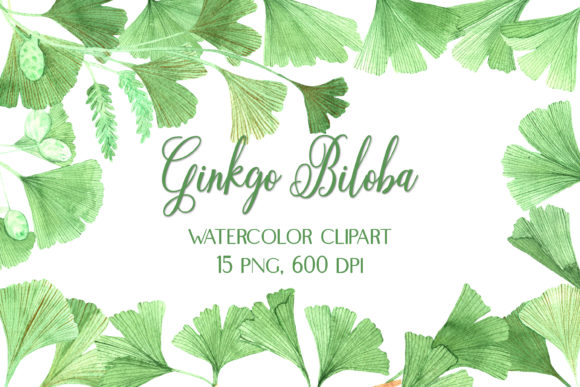
Opening up the Watercolor Clipart Ginkgo Biloba design file, the first thing I notice is its gentle, painterly aesthetic. The watercolor style gives it a dreamy, almost ethereal quality that feels both modern and timeless. The ginkgo leaf motif is a classic botanical symbol, but here it’s rendered with soft edges, subtle gradients, and a loose, artistic hand that makes it feel fresh for embroidery use.
From a design standpoint, this illustration leans into minimalism without sacrificing visual interest. It’s not overly detailed, which is a plus for embroidery applications where clarity and stitchability matter. The organic flow of the brushstrokes suggests it would work well in lifestyle and nature-themed projects, especially those aiming for a softer, artisanal look.
Real-World Use: From Tote Bags to Sweatshirts
I recently tested Watercolor Clipart Ginkgo Biloba on a custom embroidered tote bag for a local boutique. The design scaled beautifully and maintained its visual integrity even at a medium hoop size. On a natural cotton tote, the softness of the watercolor style blended seamlessly with the fabric’s texture, giving the finished product a hand-painted feel that customers responded positively to.
For apparel, I tried it on a light gray sweatshirt. The contrast between the muted tones of the design and the garment’s color was subtle but effective. It didn’t scream for attention, which is exactly what some clients want—especially those looking for understated elegance in custom gifts or boutique branding.
It also translated well onto a baby onesie. The gentle curves and soft lines gave the piece a calming, almost lullaby-like aesthetic. Parents appreciated the artistic touch without worrying about scratchy, dense stitching near sensitive skin.
Where It Shines: Embroidery Design Flexibility
One of the strengths of Watercolor Clipart Ginkgo Biloba is its adaptability. Whether used as a standalone motif or paired with text or other design elements, it holds its own without overpowering the composition. This makes it ideal for:
- Personalized gifts (think monogrammed tea towels or custom pillow covers)
- Seasonal items like holiday ornaments or spring-themed nursery decor
- Small business merchandise like embroidered patches or branded aprons
- Etsy listings that cater to a minimalist or nature-inspired audience
It’s also a great fit for digital product sellers looking to offer printable mockups. The watercolor style lends itself well to preview images that feel authentic and handmade, which is key for building buyer trust in digital embroidery files.
Watch the Details: When to Use with Care
While the design has a lot going for it, there are a few considerations to keep in mind before stitching it out on every project. Due to its painterly style, small details—like the subtle variations in leaf texture—can get lost on very fine or tightly hooped embroidery work. If you’re working with a small hoop size, especially under 4x4 inches, you may want to simplify or stylize the design further to preserve clarity.
Dark fabrics can also mute the soft tones of the watercolor effect. I recommend testing the design on both light and dark backgrounds to see how the thread colors interact. You may need to tweak the palette or add a light underlay to make it pop.
Stretchy fabrics like knits can distort the soft lines, especially in satin-stitched outlines. If using on a t-shirt or baby onesie, make sure to use a quality stabilizer and consider reducing the density of satin stitches in delicate areas.
Stitching It Right: Practical Designer Tips
Before using Watercolor Clipart Ginkgo Biloba in a client project or product line, here are a few steps I always take:
- Test on scrap fabric: Always run a test stitch-out to see how the design translates in real life.
- Check thread color contrast: Use a thread chart to ensure colors match your intended look, especially if selling digitally.
- Verify hoop size: Make sure the design fits your machine’s hoop without distortion.
- Inspect small details: Zoom in on the embroidery file to check for fine lines or dense areas that might cause issues.
- Test in black and white: This helps you understand how the design will look in a more subdued or monochrome setting.
- Confirm licensing: If you're selling finished products or digital embroidery files, always double-check usage rights.
Design Impact: Visual Appeal and Branding
What makes Watercolor Clipart Ginkgo Biloba stand out is its ability to elevate a finished product without feeling overdesigned. It adds a touch of sophistication that’s particularly appealing in handmade markets where authenticity and craftsmanship are valued.
For Etsy sellers or small shop owners, this kind of design can help differentiate your offerings. It’s not a generic clipart leaf—it has a unique visual personality that customers can sense. That subtle difference can be the tipping point between a casual browser and a confident buyer.
On a branding level, the design works well for businesses that want to project a calm, creative, and nature-connected identity. Whether used on packaging, embroidered tags, or promotional items, it supports a cohesive brand image that feels intentional and thoughtful.
Final Thoughts: A Solid Addition to Any Embroidery Designer’s Toolkit
Watercolor Clipart Ginkgo Biloba isn’t just another illustration—it’s a versatile, emotionally resonant design that can enhance a wide range of embroidery projects. Whether you're creating a custom gift, a boutique garment, or a digital product for resale, it offers both visual appeal and practical stitchability.
As with any embroidery file, success comes down to how well you understand the design and how thoughtfully you apply it. With a bit of testing and attention to fabric and thread choices, Watercolor Clipart Ginkgo Biloba can become a go-to element in your creative toolkit.