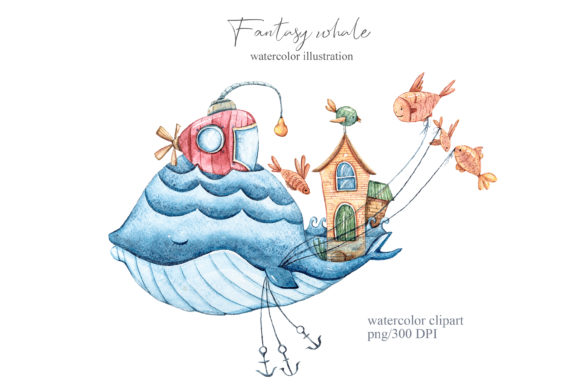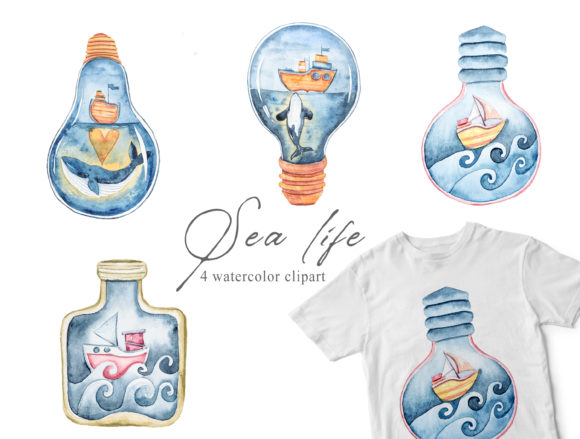
Watercolor Underwater Clipart & Illustrations
As a brand designer who has spent years curating visual identities for small businesses and digital entrepreneurs, I approach every new graphic design asset with a critical eye. The question is never just "does this look pretty?" but rather "how does this communicate value?" When I first opened the file set for Watercolor Underwater Clipart, my immediate reaction was one of relief. In an era where flat vector graphics and hyper-realistic photography dominate the creative marketplace, this collection offers a breath of fresh air. The soft edges and fluid color transitions create an immediate mood of calm, mystery, and organic beauty. It feels less like a stock image and more like a piece of handcrafted art, which is exactly what many lifestyle brands and content creators are desperate to find.
The emotional tone here is distinct. It evokes the feeling of being submerged in a gentle current—peaceful yet vibrant. For audience perception, this is crucial. If your brand message is about slowing down, healing, sustainability, or natural living, these Illustrations act as a visual shortcut to those concepts. They signal to the viewer that the brand values authenticity over mass production. However, this aesthetic is not universal. While it screams "premium handmade" or "boutique wellness," it would feel out of place in a high-tech SaaS launch or a formal corporate finance report. Understanding this nuance is the first step in leveraging this design bundle effectively.
Integrating Soft Aesthetics into Real Campaigns
To truly test the utility of Watercolor Underwater Clipart, I imagined a specific scenario: a small business owner launching a new line of eco-friendly bath bombs and soaps. The goal was to refresh their social media visuals and create a cohesive content kit for a summer campaign. The challenge was to move away from generic white-background product shots and create something that felt immersive and experiential.
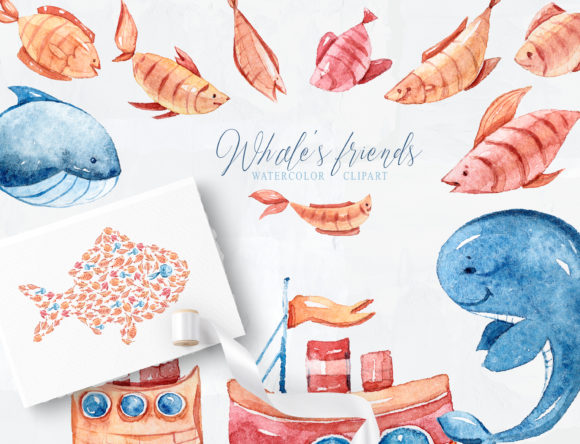
In this workflow, the PNG designs within the clipart collection became the hero elements. By layering the underwater flora and fauna behind the product mockups, we created depth without clutter. The watercolor texture softened the harsh lighting often found in e-commerce photography, making the products appear more organic and inviting. This wasn't just decoration; it was strategic visual hierarchy. The illustrations drew the eye inward toward the product while simultaneously establishing the brand's connection to nature. This approach transformed standard Instagram posts into editorial-style graphics that stopped the scroll.
Beyond social media, I tested these assets on packaging design concepts. Using the SVG design files allowed me to scale the motifs for large-format posters and smaller product labels alike. On a bottle label, a small cluster of watercolor coral served as a subtle accent, reinforcing the brand identity without overwhelming the text. On a larger promotional banner, the same elements expanded to create a full background scene. This versatility is rare in commercial design assets and proves why having a robust library of flexible Illustrations is essential for modern branding.
Strategic Applications for Brand Growth
The power of Watercolor Underwater Clipart lies in its ability to support specific marketing goals. First, it builds stronger recognition. When used consistently across email banners, Canva templates, and digital ads, these unique shapes become synonymous with your brand. Unlike generic icons that anyone can use, the specific brush strokes and color blends of this set offer a signature look that competitors cannot easily replicate.
Secondly, these assets improve audience trust. In the world of content marketing, consumers are skeptical of overly polished, artificial imagery. The imperfect, human quality of watercolor suggests transparency and care. When a customer sees these visuals on a blog header or a lead magnet cover, they subconsciously associate that artistic effort with the quality of the product itself. It bridges the gap between a faceless corporation and a relatable creator.
For digital sellers and online coaches, these graphics are perfect for creating high-value content bundles. Imagine a Pinterest pin featuring a quote overlaid on a soft underwater gradient, or a webinar invitation that uses the clipart to frame the event details. These marketing visuals elevate the perceived value of free resources, making them more likely to be shared and saved. Whether you are designing merchandise, stickers, or web design headers, the asset provides a professional appearance that elevates even simple layouts.
Navigating Limitations and Design Constraints
While the potential is vast, a seasoned designer knows that no asset is a magic bullet. There are specific scenarios where Watercolor Underwater Clipart should be used with caution. Formal corporate branding is the primary red flag. If your industry demands strict minimalism or stark, geometric precision, the fluid nature of these illustrations may appear too casual or messy.
Additionally, readability is a constant concern. Because watercolor textures have low contrast and varying opacity, placing dense information layouts directly over them can be a disaster. Text-heavy ads or small mobile graphics require careful handling. You must ensure there is enough negative space or use solid color overlays to maintain legibility. Always preview your designs on mobile screens; what looks detailed on a desktop might blur into an indistinct blob on a phone. Similarly, avoid using these assets on low-contrast backgrounds where they might disappear entirely. If your brand relies on a monochromatic palette, check how the black and white versions of these illustrations perform before committing to a full campaign.
Practical Notes for the Creative Professional
Before integrating any graphic design asset into a client project or your own business, follow these practical steps. First, test the Watercolor Underwater Clipart against your specific brand color palette. Does the blue-green spectrum clash with your primary brand colors? If so, adjust the hue or saturation to ensure visual consistency. Second, experiment with typography. These soft illustrations pair beautifully with handwritten fonts and script fonts, enhancing the organic feel. They also work well with clean sans serif fonts for a modern balance, but can sometimes struggle with heavy display fonts that compete for attention.
Always review spacing and balance. Do not overcrowd the canvas. Let the illustrations breathe to maintain that premium, uncluttered look. Finally, and most importantly, confirm the commercial licensing. Ensure you have the right to use these Illustrations in paid campaigns, client work, and for saleable products like printable designs or merchandise. A beautiful design is useless if it puts your business at legal risk.
In conclusion, Watercolor Underwater Clipart is a powerful tool for creatives looking to inject emotion and storytelling into their visual content. It supports small business branding by offering a distinctive, trustworthy, and professional aesthetic that stands out in a crowded digital landscape. Used wisely, it transforms ordinary marketing materials into memorable experiences that resonate deeply with your audience.