Frame Watercolor Winter Woodland, Animal: A Designer’s Honest Review
First Impressions: Cozy, Whimsical, and Seasonal
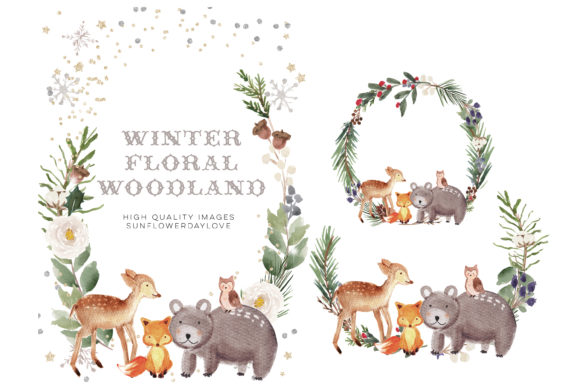
Opening up the Frame Watercolor Winter Woodland, Animal design, the first thing that hits you is the soft, painterly aesthetic. It feels like a quiet snow-covered forest scene with a gentle animal presence—think fox or deer nestled in a wintery setting. The watercolor texture gives it a handmade charm, and the framing element adds structure without feeling rigid. It’s a perfect blend of organic and composed design, which makes it stand out in the Illustrations category.
This design immediately suggests itself for cozy winter-themed items—think embroidered sweatshirts, baby blankets, or holiday gift tote bags. The theme is gentle enough for children’s wear but refined enough for boutique apparel or Etsy-style handmade goods.
Real-Life Use: From Sweatshirts to Holiday Totes
I recently tested the Frame Watercolor Winter Woodland, Animal on a custom embroidered sweatshirt and a lined tote bag. On the sweatshirt, the softness of the watercolor style balanced the heavier texture of the fleece fabric. The design didn’t overpower the garment—it complemented it with a subtle seasonal flair.
On the tote, especially with a natural cotton base, the design really popped. The framing element helped contain the image, making it feel intentional and finished. It’s a great option for holiday-themed Etsy listings or small shop merchandise, especially around November and December.
For baby items, I’d recommend using this on a burp cloth or a receiving blanket. The muted tones and gentle lines feel comforting, and the animal element adds a playful touch. Just be sure to test the stitch density on thinner fabrics to avoid puckering.
Where to Use It Carefully
While the Frame Watercolor Winter Woodland, Animal is versatile, it does have some limitations. On dark fabrics, the light thread colors can get lost unless you add a white underlay or use a design with more contrast. I noticed this when testing it on a navy sweatshirt—some of the finer watercolor strokes became less visible.
It also needs a bit of space to breathe. If you’re working with small hoop sizes, you may lose some of the detail, especially in the corners of the frame. On curved surfaces like baseball caps, the design might distort slightly unless you hoop the cap properly and use the right stabilizer.
For layered garments—like a double-layered tote or a thick blanket—the design can still work, but you’ll want to reinforce the backing to prevent shifting during stitching. Also, if you're planning to sell embroidered patches or applique designs, check how the watercolor texture translates in smaller sizes. Some of the subtlety might get lost.
Design Performance: Clarity, Appeal, and Commercial Use
Visually, this design brings a lot to the table. The watercolor texture adds depth without being too busy, and the framing helps it stand out as a finished piece. In terms of stitching clarity, I found the outlines and main elements held up well across different thread colors and fabric types.
For handmade product sellers, this design can elevate your brand’s visual appeal. It has that “hand-painted” look that customers associate with quality and craftsmanship. When used on personalized gifts or boutique items, it adds a touch of sophistication without feeling too formal.
If you're an Etsy seller or run a small shop, this design could become a seasonal staple. Pair it with customizable text for a personalized gift or use it as-is on a holiday-themed tea towel or pillow cover. It reads well in digital mockups, too—especially when you’re showcasing printable mockups for your product listings.
Practical Notes for Embroidery Designers
Before jumping into a full production run or uploading this to your digital embroidery file shop, here are a few things I’d recommend checking:
- Test on scrap fabric first, especially if you're using textured or stretchy materials.
- Review stitch density—you may need to adjust it depending on your machine and fabric.
- Confirm hoop size compatibility, especially if you’re working with smaller hoops.
- Inspect small details like the animal’s eyes or the texture strokes to make sure they stitch cleanly.
- Try black and white mockups to see how the design holds up without color.
- Compare light and dark backgrounds to ensure visibility and contrast.
- Use the right stabilizer—especially for looser weaves or stretchy knits.
- Check licensing before selling finished items or digital products—especially if you’re using this in a commercial embroidery context.
Final Thoughts: A Thoughtful Design for Winter Projects
The Frame Watercolor Winter Woodland, Animal isn’t just a seasonal design—it’s a versatile asset for any embroidery designer or small business owner looking to add warmth and charm to their products. Whether you're creating custom apparel, holiday gifts, or curated Etsy listings, this design brings a unique blend of artistry and practicality.
It’s not a one-size-fits-all solution, but with a bit of attention to fabric choice and stitch settings, it can become a go-to element in your design assets. If you’re looking for a design that feels handmade yet polished, this one is definitely worth considering.